

The current moon phase for today is the Full Moon.
On this day, the moon is 14.08 days old and 98.96% illuminated with a tilt of 136.319°. The approximate distance from Earth to the moon is 358,936.73 km and the moon sign is Capricorn.

The Moon phase for today is the Full Moon phase. In this phase, the moon is 100% illuminated when seen from Earth (hence the name Full Moon).
The Full Moon happens when the moon is on the opposite side of the Earth from the Sun. The sunlight fully illuminated the moon, and this is what we call being “full”. The moon will be visible throughout the night sky as it rises at sunset in the east, transits the meridian at midnight, before setting at sunrise in the west.
The specific point at which the Full Moon occurs can be measured down to a fraction of a second. The time that passes between full moons is called the Synodic month and is 29.530587981 days long.
Fun fact: lunar eclipses can only happen within a few days of the Full Moon, but they don’t happen for every Full Moon because the moon’s orbit has a 5.1° tilt around the Earth compared to Earth’s orbit around the Sun. Only when the intersection of these two orbits is pointing towards the centre of the Moon do we get a lunar eclipse.
Moon Phase Details – Aug 1st, 2023
Phase: Full Moon
Moon age: 14.08 days
Moon illumination: 98.96%
Moon tilt: 136.319°
Moon angle: 0.55
Moon distance: 358,936.73 km
Moon sign: Capricorn
The Full Moon phase is a primary phase of the Moon, along with the New Moon, the Third and the First Quarter. It is the third and most spectacular phase.
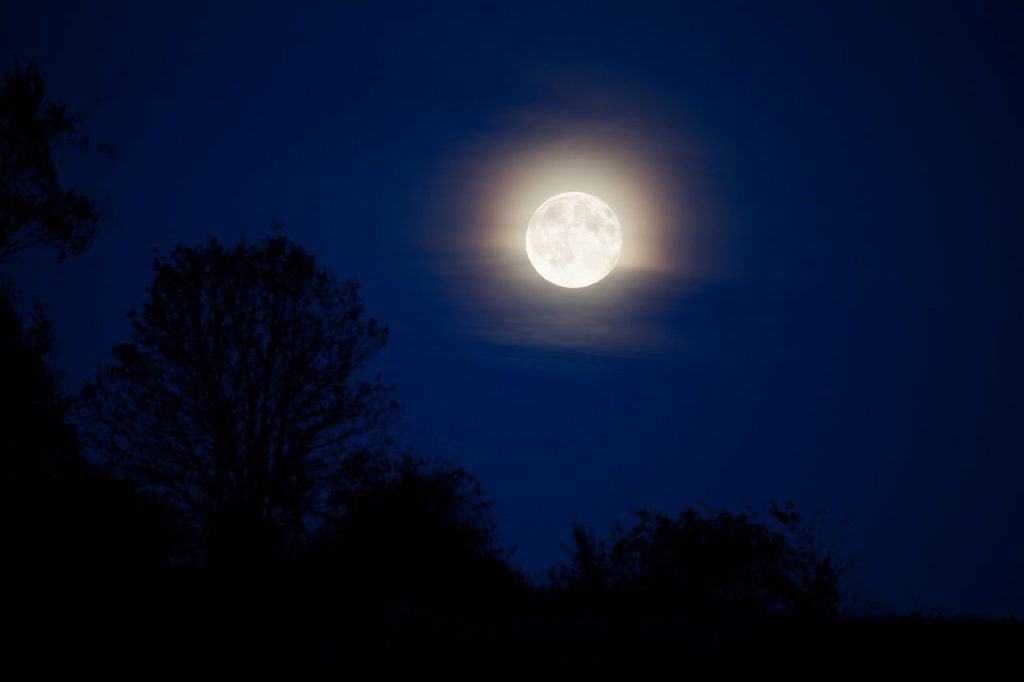
This phase is studied from ancient times, and it has a significant impact on our lives and nature. Every Full Moon has a specific name given by our ancestors, who used it to track time but not only.
Let’s find out more about this breathtaking phase, how it influences us, how it occurs, and when we can see it.
What is the Full Moon Phase?
The Full Moon phase occurs when the Sun and the Moon are on different sides of the Earth. In this phase, the Moon is fully illuminated by the Sun.
Basically, the Full Moon phase lasts only for a couple of moments, the period when the sunlit part of the Moon is at 100%. On some parts of the planet, the actual Full Moon occurs during the day.
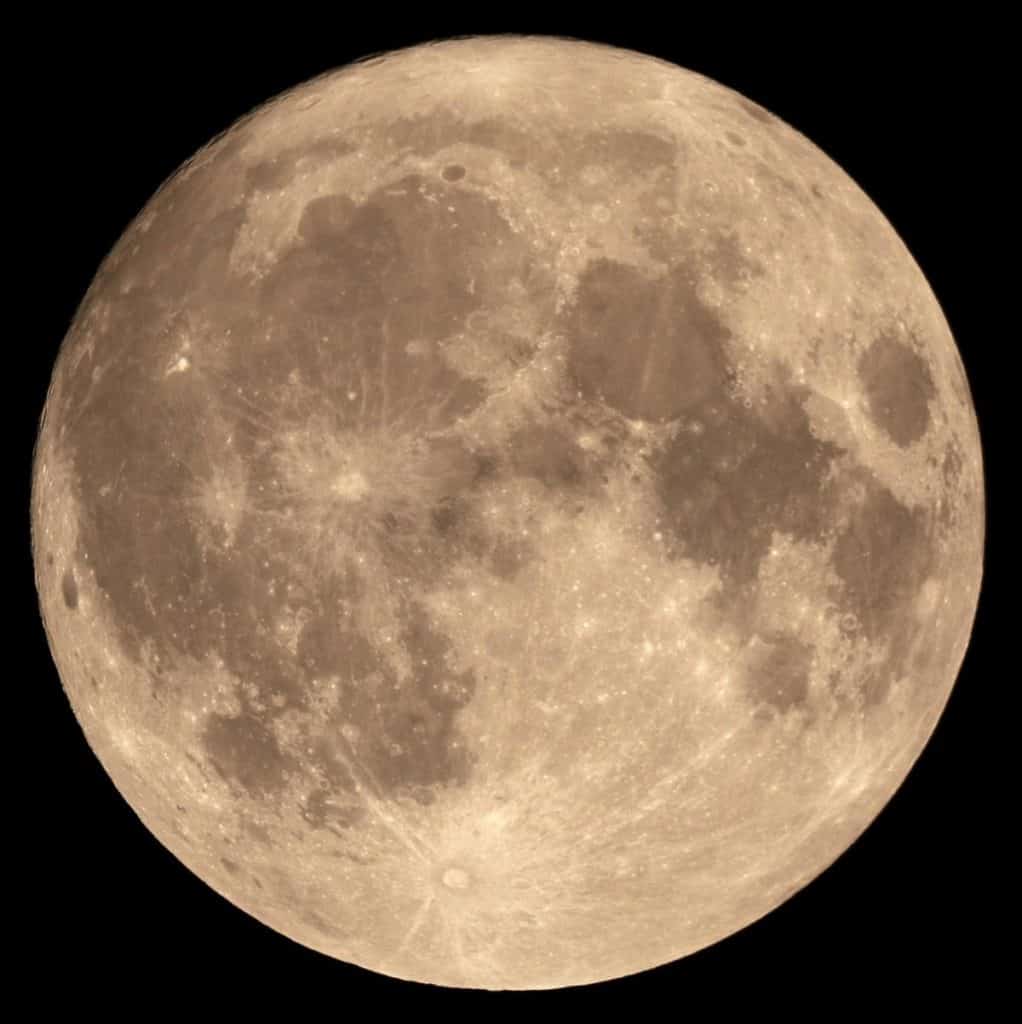
However, the Moon appears Full a day before and a day after this moment because it’s illumination is at more than 98%. It is hard to distinguish between the beginning of a Waning Gibbous Moon or the last stage of a Waxing Gibbous Moon and the Full Moon.
What does the Full Moon symbolize?
From ancient times people used the Full Moon and the Lunar calendar to track seasons. The Native Americans are responsible for the names of the Full Moons we are still using today. The names are not given just for the actual Full Moon but for the entire lunar month.
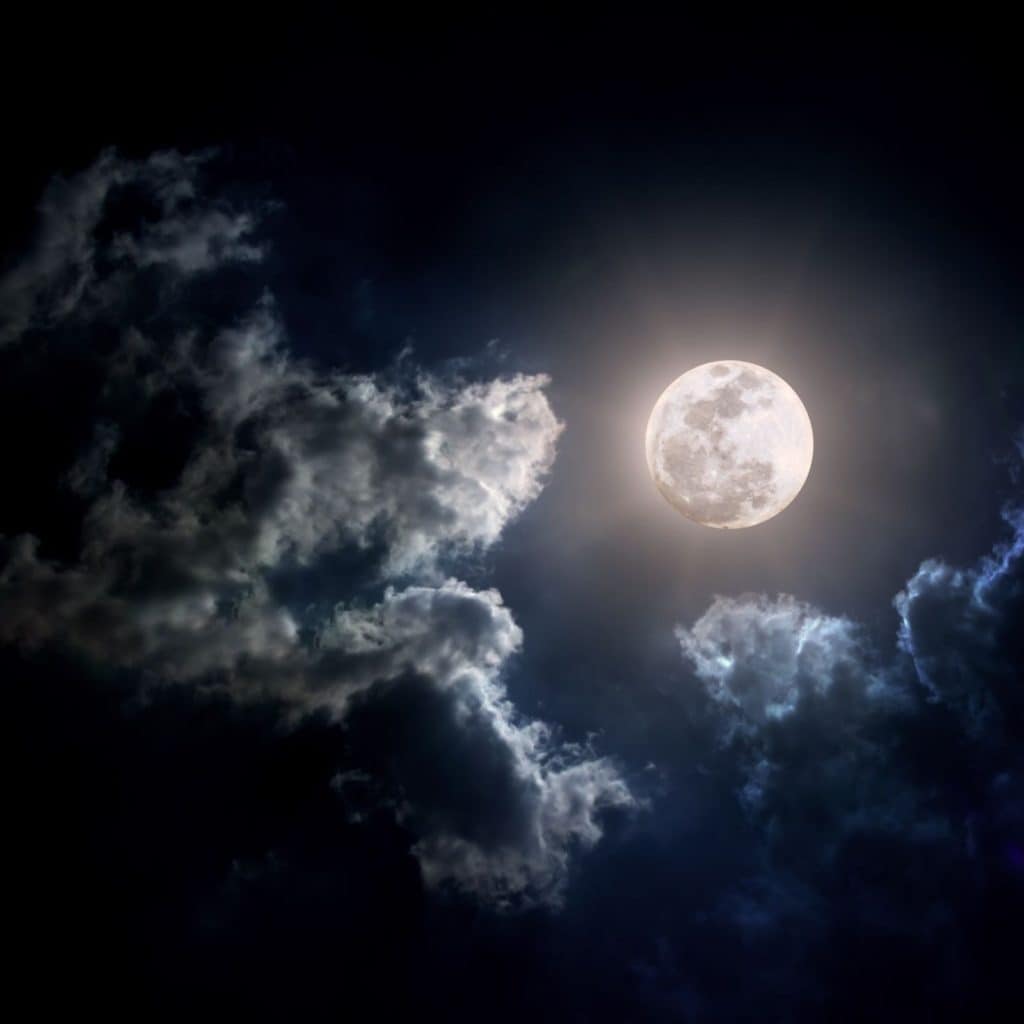
Every Full Moon has its specific energy. During a Full Moon, our emotions, feeling, and dreams are amplified. Because the Moon and the Sun are opposed, a lot of tension and friction is caused. For some people, it is a time of balanced energies.
The Full Moon doesn’t affect only people and animals. The Earth is also influenced by it. A Full Moon is responsible for bigger ocean tides and extreme meteorological conditions.
The Difference Between Supermoons and Micromoons
There are two types of Full Moons: the Supermoons and the Micromoons.
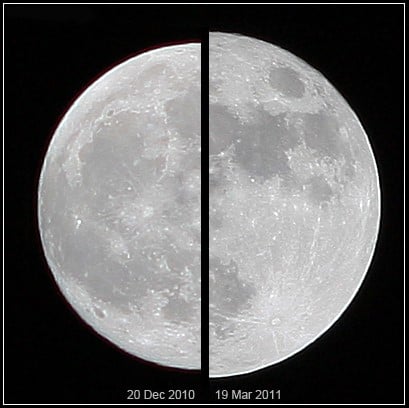
When a Full Moon coincides or is near its perigee ( when the Moon is closest to Earth), a Supermoon occurs.
But when the Full Moon is close to the apogee ( its furthest point to Earth), a Micro-moon happens.
The Difference Between a Full Moon and a Supermoon
We can see a Full Moon when the Moon and the Sun are on opposite sides of the Earth. When this happens, the Moon is completely illuminated and visible from Earth in its complete form.
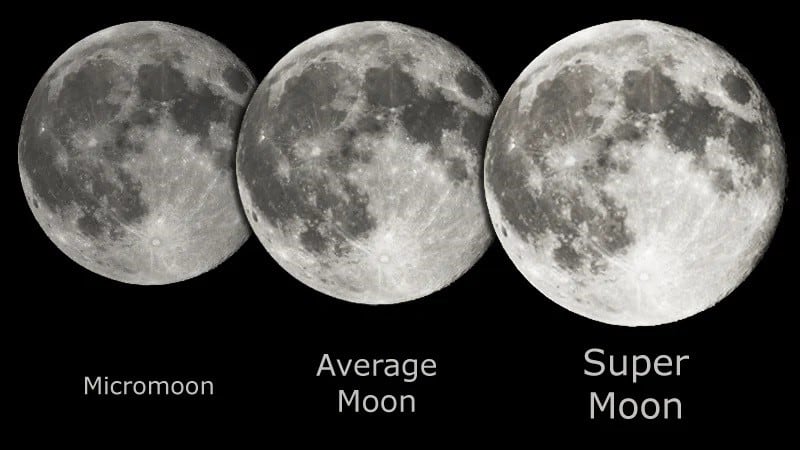
A Super moon is not that different. The Moon orbits the Earth in an ellipse way, which means at some point, the Moon’s center will be close or farther from the Earth.
The closest point is called perigee and the further point apogee. When the full Moon coincides or occurs near to perigee, a Supermoon occurs. It seems slightly bigger and brighter. Usually, the difference is so small it’s hard to notice it with bare eyes.
 witchcraftandmore.com