
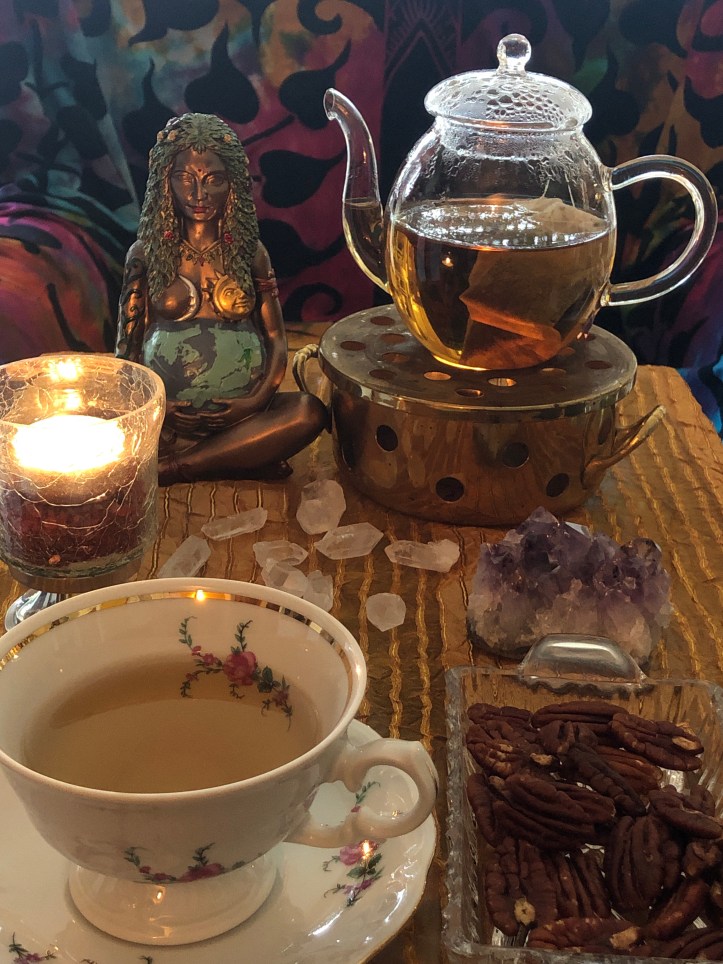
The Promise of Spring
As the cold grip of winter begins to loosen, witches and pagans around the world prepare to celebrate Imbolg, a sacred holiday that marks the midpoint between the winter solstice and the spring equinox. Known also as Imbolc or Brigid’s Day, this festival is a time of hope, renewal, and the first stirrings of spring. Let’s dive into the rich traditions and practices of this magical holiday.
The Origins and Significance of Imbolg
Imbolg, derived from Old Irish meaning “in the belly,” symbolizes the awakening of the earth and the life burgeoning within. This ancient Celtic festival honors Brigid, the goddess of fire, healing, fertility, and poetry. Brigid’s influence is felt strongly during Imbolg as she brings the warmth and light needed to nurture the seeds of new life.
When is Imbolg Celebrated?
Imbolg is traditionally celebrated on February 1st or 2nd, aligning with the Feast of St. Brigid in the Christian calendar. It is a cross-quarter day, falling exactly halfway between Yule (the winter solstice) and Ostara (the spring equinox), and it heralds the gradual return of the sun.
Themes and Symbolism of Imbolg
Imbolg is a festival of light, purification, and fertility. Key themes include:
- Renewal and Rebirth: As the earth begins to thaw, the seeds planted in winter start to germinate, symbolizing new beginnings and personal growth.
- Purification: It’s a time for cleansing and purifying the home and spirit, preparing for the vibrant energy of spring.
- Fertility: Imbolg honors the fertile ground and the promise of new life, making it a favorable time for planning and setting intentions for the future.
Imbolg Traditions and Rituals
1. Lighting Candles and Fires:
- Candles and fires are central to Imbolg celebrations, representing Brigid’s flame and the returning light.
- Candlemas: Light candles in every room to invite warmth and dispel the winter darkness.
- Brigid’s Cross: Weave a Brigid’s Cross from reeds or straw and hang it above the doorway for protection and blessings.
2. Cleansing and Purification:
- Conduct a thorough spring cleaning of your home, symbolically sweeping away the old to make room for the new.
- Sacred Water: Create a cleansing ritual using water, perhaps gathered from a natural spring, to purify yourself and your space.
3. Planting and Nature Activities:
- Start planting early seeds indoors, such as herbs or flowers, to signify new beginnings.
- Spend time in nature, observing the subtle signs of spring—buds on trees, the first brave snowdrops, and the lengthening days.
4. Honoring Brigid:
- Create an altar dedicated to Brigid with symbols of fire, water, and fertility, such as candles, fresh flowers, and sacred wells.
- Poetry and Crafts: Honor Brigid as the goddess of poetry by writing poems or crafting items that reflect her essence.
5. Feasting and Offerings:
- Prepare a feast with seasonal foods like dairy, grains, and root vegetables. Traditional dishes include colcannon (a potato and cabbage dish) and oatcakes.
- Offer a portion of your meal to Brigid or the spirits of the land as a gesture of gratitude and respect.
Thanks for reading. May the light of Imbolg shine brightly in your life,
Lady Victoria Silver Sage

